




As winter break quickly approaches, students are met with the biannual stressor known as final exams. Final exams come at a time in the school year when students are both very excited for a break and occupied or nervous over their school work. This year, with the help of some destressing techniques, students can get exam-ready while enjoying the excitement around them!
There are two types of stress that normally impact students all year round. “Good stress” is the type of stress that can motivate a student and can be short-lasting but powerful. “Bad stress” is a stressor that lingers in one’s mind if not properly treated. This is significant because most students don’t know how to differentiate between and overcome such stressors, leading to a negative mental health impact.
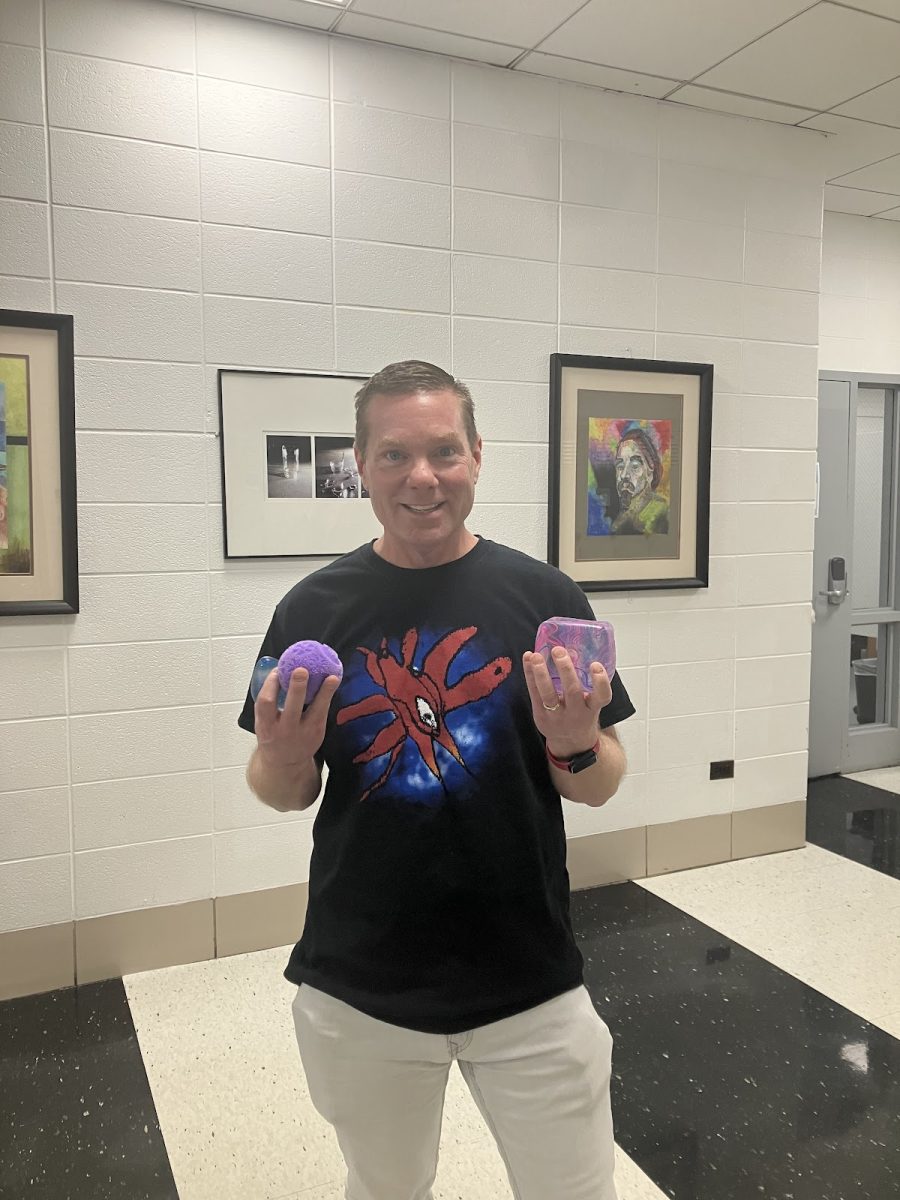
Sandburg’s very own Mr. Geiger, an AP psychology teacher, discusses how, in his thirty-one years of teaching, he has noticed patterns regarding both good and bad stress in students across the school. Stressors such as tension at home, pressure to do well in life, grades, and social settings are common stressors exhibited in high school students that Mr. Geiger has observed.
He mentions how tough pressure can be for a high schooler. ¨Having good grades, going to a good college, [and] getting scholarships¨ are some of those pressures as well as the uncertainties of the future ahead and what students are going to do with their lives. These stressors can have a negative impact on a student’s self-esteem and make them unmotivated to care for themselves the way they should be. So how can students reframe these negative stressors, especially as finals approach?
Mr. Geiger points out that a student should identify their stressors and where the stress is coming from as the start of a solution to reducing pressures. Finding activities that can relax stress apart from technology and social media is also crucial, whether it is a walk or reading a book. Finding cues to calm down and take a breather is really important. Exercise is extremely important to keep blood flowing and dopamine being produced in the brain, further reducing the negative stress.
Sleep is another way to overcome stress, especially around finals. With a lack of sleep, students can lose concentration on final exam days. In addition, having a steady sleeping schedule, going to sleep at the same time and waking up at the same time every day, is another way to succeed in reducing stress. Eating 3 meals a day with the correct vitamins and minerals can further improve performance during finals week as well as all year long.
While studying for finals, students should come up with an action plan to get ahead of the accompanying stress. Allie Keysboe, a junior, shares her technique of studying for 30 minutes and taking a 5 minute break. This allows her to refresh her brain for another round of studying. In her 5 minute break, she mentions getting a snack or changing into comfy clothes to continue studying with a better mindset.

However, Keysboe feels she can improve on time management, especially as finals approach. “I feel like I save, especially around finals, a lot of my work for the end,” she states. This year she hopes to plan her studying schedule around what finals she has on certain days to help prepare for the more difficult exams she has.
As finals approach, creating a plan to get ahead and be prepared can make the holiday season easier and less stressful. Mr. Geiger says, “there are those resources to go to get help with the stress, [or] with mental health and to know that they’re not alone.”
Finals are a stressful time in school, but people are there to help students overcome the stress. However, students can also help themselves by getting the necessary sleep and meals to power through, as well as starting studying early so by finals there isn’t as much pressure. If students establish a successful plan early on, then they should be able to enjoy the season before break, while also performing well on their final exams.